Everyone Wants a Builder’s License—But Do You Know Why?
Lately, I’ve had a lot of people ask me the same question:
“What do you think about me getting my builder’s license?”
My answer is always honest and consistent:
“If that’s what you truly want to do—go for it.”
But here’s the part most people don’t expect…
A builder’s license is not a badge, not a shortcut, and not a business trend. It’s a legal responsibility tied to safety, liability, budgets, schedules, and people’s lives.
Before jumping in, it’s important to pause and ask why you want it—and whether you understand what it actually means.
First—Let’s Clear Up a Major Misunderstanding
You Only Need a Builder’s License for Residential Construction
A builder’s license is primarily required when you are building or contracting for residential structures, such as:
Single-family homes
Duplexes and multi-family housing
Residential renovations that require permits
Why?
Because residential builders are legally responsible for:
Life-safety of occupants
Code compliance related to living spaces
Consumer protection laws
Warranties and habitability standards
When you sign a residential contract as a licensed builder, you are personally and legally accountable for the structure.
Commercial Construction Is Different
If you are working on commercial buildings, a builder’s license alone is not what owners are looking for.
Commercial work typically requires:
Bonding
Bonding protects the owner and ensures:
The project will be completed
Subcontractors will be paid
The contractor can financially back their work
Insurance & Financial Capacity
Commercial owners care about:
General liability
Workers’ compensation
Professional experience
Financial stability
Scope & Building Type
Commercial requirements change depending on the type of building, such as:
Office buildings
Schools and universities
Hospitals and labs
Industrial facilities
Government projects
Each comes with different codes, risks, and compliance standards.
And this is just a few of the requirements. Commercial construction involves far more—contract structures, scheduling controls, safety plans, compliance reporting, and owner-specific requirements that vary by project and jurisdiction.
In short, Commercial construction is less about licensing and more about capability, bonding, experience, and systems.
5 Reasons People Want a Builder’s License (Without Knowing What It’s For)
In my experience, most people fall into these categories:
1. They think it means instant money
A license doesn’t generate income—it authorizes you to assume risk.
2. They want control without experience
Leadership without field knowledge creates exposure, not authority.
3. They see others doing it
Social media doesn’t show inspections, disputes, or liability.
4. They confuse renovating with building
Renovation work differs from managing full-scale construction projects.
5. They think it’s required for all construction work
It isn’t. Many construction roles do not require a builder’s license at all.
5 Questions Most People Never Ask About a Builder’s License
Before applying, ask yourself:
❓ Do I know what a builder’s license legally allows me to do?
❓ Do I understand who actually needs one?
❓ Am I prepared for the legal and financial responsibility?
❓ Have I ever managed a full build from start to finish?
❓ Do I know what happens when something goes wrong?
Because it will.
5 Things You Should Do If You Truly Want to Work as a Builder
1. Get real field experience
Jobsite knowledge matters more than paperwork.
2. Learn construction management
Builders manage people, budgets, schedules, and risk.
3. Understand permits, codes, and inspections
This is where many fail.
4. Build strong trade relationships
Your subs determine your success.
5. Treat the license as a responsibility—not a title
A license doesn’t make you capable. Experience does.
Final Thought
What’s outlined here is only a snapshot of what it truly takes to operate as a builder. There is much more involved—legally, financially, operationally, and ethically—than most people realize.
Getting a builder’s license because it feels like a trend is risky.
Getting one because you understand:
Residential responsibility
Commercial bonding requirements
Scope-specific expectations
And the depth of accountability involved
—that’s professionalism.
Construction doesn’t need more licenses on paper. It needs prepared, capable leaders in the field. Tell me what you think?
(Don't forget to tell me what's wrong in the video above)
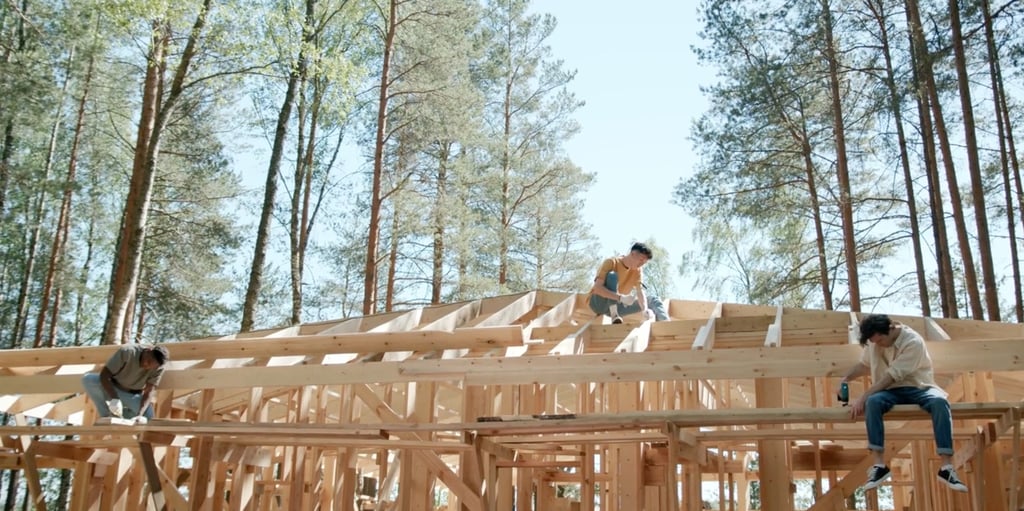
(Can you tell me what's wrong in the above photo)
by Angela Boone